
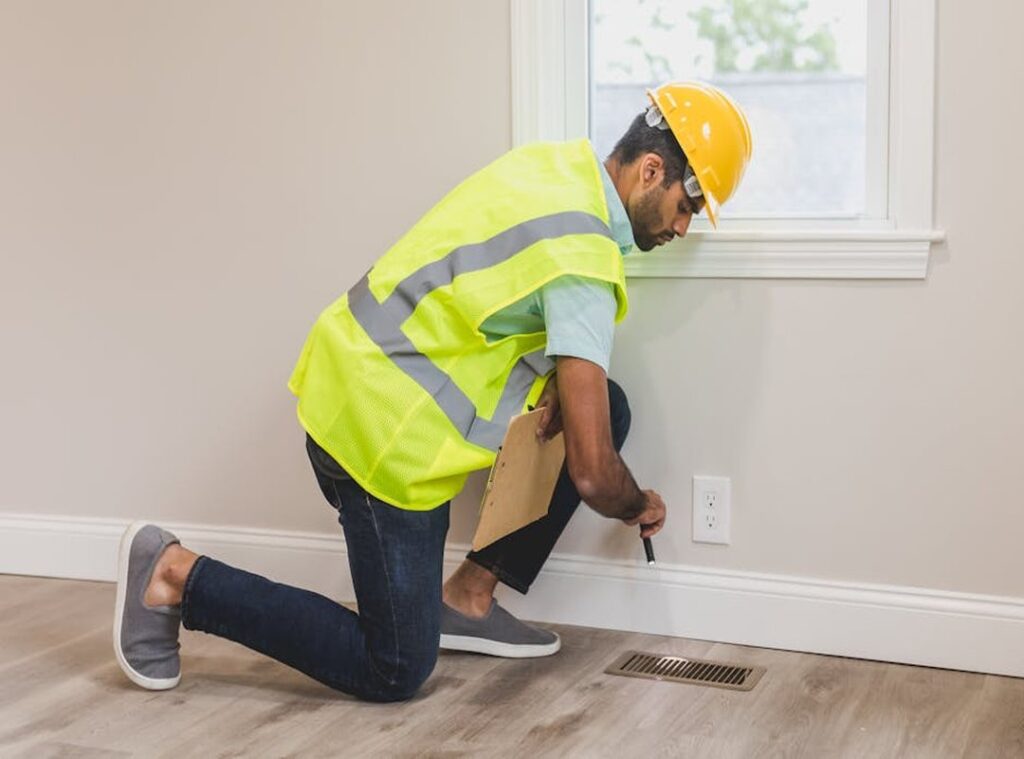
I forget things. Like when I last changed the air filter. Or whether the smoke detector chirped last week and I ignored it.
You do too.
That’s why stuff piles up (gutters) clog, water heaters leak, HVAC systems gasp.
This article walks you through building a simple app to track those tasks. Not some fancy tool. Just something that works.
The problem isn’t laziness. It’s lack of structure. A calendar reminder vanishes.
A sticky note falls off. But an app? It stays put.
We’ll build a Building Checks Appchousehold step by step. No coding degree needed. No jargon.
Just clear moves (setup,) add tasks, get alerts, review progress.
You’ll learn how to set recurring checks for filters, detectors, gutters, and more.
You’ll see how one small app stops small oversights from becoming big bills.
This isn’t about perfection.
It’s about showing up for your home before it yells at you.
By the end, you’ll have a working system (not) just theory.
Something you can open today and use tomorrow.
Why You Need a Building Checks Appchousehold
I tried sticky notes. Then spreadsheets. Then a notebook buried in my junk drawer.
None of it worked. You know the feeling (forgetting) to test the smoke detector until the alarm chirps at 3 a.m.
A real Building Checks Appchousehold fixes that. Appchousehold is where I log leak checks before they rot the drywall. I caught a slow drip under the kitchen sink last month. Fixed it with a $5 washer.
Not a $2,000 cabinet rebuild.
Safety isn’t theoretical. My kid climbs on chairs. So I get reminders to test CO detectors every 90 days.
No guesswork. No guilt.
My furnace filter? Changed every 60 days now. Not every 18 months like before.
The unit runs quieter. My bill dropped $17 last winter.
Refrigerator coils? I cleaned them for the first time in seven years. It’s breathing again.
The app holds everything in one place. My partner adds notes. My mom checks off tasks when she visits.
No more “Did you do the thing?” texts.
You’re not bad at remembering. You just need a system that works with your life. Not against it.
What’s the last thing you forgot to check?
What Your App Actually Needs
I built a checklist app for my own household.
It started with three things: a list, a checkbox, and a date.
You need those too. Not ten features. Not fancy animations.
Just those three.
A list of tasks. A way to mark them done. A date (either) when it’s due or when you last did it.
That’s it.
That’s the core.
Categories? Sure. Monthly.
Quarterly. One-Time. But don’t overthink them.
I grouped mine by season. Spring cleaning, winter prep (because) that’s how my brain works. (Turns out, “Seasonal” is easier to remember than “Biannual.”)
Your interface must be clear. No hidden menus. No nested tabs.
If your spouse can’t find “add task” in 2 seconds, it’s too complicated.
Notifications? Helpful. Yes.
Necessary? No. I added them after the app worked without them.
Ask yourself: does this feature solve a real problem (or) just sound cool?
Start simple. Build the bare minimum that works. Then test it.
Then improve it.
Building Checks Appchousehold means solving real friction. Not stacking features like Legos.
You’ll add more later. You always do. But only if you need them.
Not because some blog said so.
Build Your App Without Coding

I built my first app in a coffee shop. No degree. No coding class.
Just me and a spreadsheet.
You don’t need to be a developer to make something useful.
Not even close.
No-code tools exist for real people. Not coders. Not startups. You.
Glide. AppSheet. Even Google Sheets alone (if) you know how to structure it right.
They turn spreadsheets into apps with buttons, forms, and lists. Drag. Drop.
Done.
I tried AppSheet with a simple household checklist. Took 20 minutes. (Yes, I messed up the column names twice.
Still worked.)
These tools connect straight to your spreadsheet. So start there. Organize your data first.
Names. Dates. Statuses.
That’s your app’s backbone.
Pros? You learn fast. You pay little or nothing.
You ship something real this week. No servers. No syntax errors.
No begging a dev friend for help.
Want to track home building tasks across contractors and timelines? That’s where the Home building appchousehold idea clicked for me. Not as a product.
As a tool I needed yesterday.
Building Checks Appchousehold starts with clarity. Not code.
Your spreadsheet is enough.
Really.
Try it before you overthink it.
What’s the smallest thing you’d actually use today?
How I Actually Set Up My Household Checks App
I opened Google Sheets and made five columns: Task Name, Frequency, Last Done Date, Next Due Date, Notes. That’s it. No fancy templates.
No overthinking.
I filled in real stuff I forget (like) checking smoke detectors every six months or cleaning gutters before winter. You know the ones. The tasks that turn into emergencies.
Then I connected it to Glide. AppSheet works too, but Glide felt faster for this. No coding.
Just log in, point it to the sheet, and go.
I kept the app dumb-simple: a list of tasks, a “Mark Complete” button, and a filter for overdue items.
If it takes more than two taps to mark something done, you won’t use it.
I tested it by adding “Test task” and tapping complete. It updated the date. It worked.
That’s all you need to know.
Don’t wait for perfection. Start with ten tasks. Fix one thing each week.
You’ll actually use it.
Want a ready-made version for garage and shed upkeep? Check out the Garage Shed Guide Appchousehold. It saved me three hours last month.
Building Checks Appchousehold isn’t magic. It’s just showing up for your home.
Your Home Won’t Wait. Neither Should You.
I built my first household checks system on a napkin. Then a spreadsheet. Then a real app.
You don’t need perfection. You need action.
Forgetting furnace filters, water heater flushes, or gutter cleanings isn’t harmless. It’s expensive. It’s risky.
It’s the kind of thing that turns “meh” into “oh god, the ceiling’s leaking.”
Building Checks Appchousehold fixes that. Not someday. Now.
You already know what breaks first when you skip maintenance. You’ve seen the repair bill. You’ve stood in the rain holding a bucket under a leak.
So start small. Open a blank spreadsheet today. Type three things you know you forget.
Save it. Set a reminder for next month.
That’s it. That’s your launch.
No coding. No budget. No overthinking.
Just you, your home, and five minutes.
Because peace of mind isn’t something you earn later.
It’s something you build. One check at a time.
Don’t wait for the emergency.
Open your laptop right now and make that first list.
 Michael Matherne has been instrumental in the development of Villa Estates Luxe, leveraging his extensive background in real estate and digital marketing to shape the platform's success. His strategic insights have been crucial in curating the latest news and market trends, ensuring that users receive timely and relevant information tailored to their needs. Michael has also been pivotal in enhancing the overall user experience, implementing innovative features that make navigating the site seamless. His commitment to providing high-quality content and fostering a community of informed buyers and investors has significantly contributed to Villa Estates Luxe’s reputation as a trusted resource in the luxury villa market.