

Why Smart Hubs Are Essential for Villa Living
When it comes to villa life in 2026, smart home hubs aren’t optional they’re a foundation. With larger floor plans, intricate layouts, and multiple living zones, villas demand a more sophisticated smart home strategy than smaller homes or apartments.
Unique Challenges of Villa Scale Living
Managing a high end villa involves more than just a few smart bulbs and a doorbell camera. You’re likely dealing with multiple HVAC zones, security systems, guest suites, entertainment areas, outdoor lighting, and more.
Multiple rooms and wings need synced but independent controls
Long range connectivity becomes essential for edge rooms and detached buildings
Smart zones for different users (family, guests, staff) improve convenience and privacy
Centralized Control vs. Device Clutter
Without a centralized smart home hub, your villa’s smart tech can quickly become chaotic. Moving between apps, brands, and interfaces kills efficiency and the luxury feel.
A hub unifies all connected devices under one interface
Reduces friction with voice control and app based access
Minimizes risk of compatibility issues between manufacturer ecosystems
Everyday Benefits You’ll Notice
With a hub in place, every system in your villa becomes more responsive and intelligent. Whether you’re managing daily life or hosting an event, your hub adds comfort and control.
Enhanced energy efficiency: Automate blinds, lights, and temperature by time of day or room usage
Increased security: Set smart locks and cameras to respond to presence zones or vacation modes
True convenience: Manage whole home scenes “Morning Routine”, “Dinner Party”, “All Off” with one tap or voice command
Smart hubs streamline the complexities of high end living, proving that luxury and simplicity can (and should) go hand in hand.
Key Features to Look for in 2026 Models
Smart home hubs have evolved rapidly and in 2026, they’re more sophisticated and essential than ever. Villas, with their expansive layouts and multiple systems, demand hubs that are powerful, adaptable, and built for privacy. Here are the features that matter most.
Seamless Support for Emerging Protocols
To ensure your smart home works harmoniously, look for hubs that support the latest interoperable standards:
Matter: The rising standard backed by major tech companies, Matter ensures compatibility across a wide range of devices, regardless of brand.
Thread: A low power, mesh networking protocol designed for reliability and flexibility across large spaces ideal for villas.
Next Gen Zigbee: New versions of Zigbee offer stronger integration with both legacy devices and ultra modern systems.
Choosing a hub with multi protocol support ensures your villa stays future proof and avoids tech silos.
AI Driven Automation With Context Awareness
Forget basic routines 2026 hubs use built in AI to learn your preferences and adapt automatically over time.
Adjusts lighting, temperature, and music based on time, activity, or even weather
Learns occupancy patterns and daily habits for seamless automation
Integrates predictive behavior, like preparing your living space before you arrive home
This deep learning doesn’t just add convenience it creates a truly personalized smart home experience.
Built In Offline Functionality
Connectivity shouldn’t be your system’s weak point. Privacy focused villa owners now prioritize offline capabilities in their hub selection.
On device processing keeps sensitive data inside your home, not in the cloud
Failsafe mode ensures essential controls (like lighting and security) still function even without internet
Reduced latency for faster, more reliable automation
In a luxury villa, uptime isn’t optional it’s expected. Offline ready hubs ensure that comfort, security, and control never go dark.
By focusing on these key features, villa owners can create a smart home ecosystem that’s not only luxurious but sustainable and resilient for years to come.
Best Hub Options for Luxury Villas
Not all smart hubs are created equal especially when you’re managing a few thousand square feet of living space. For villas, the standard off the shelf gear won’t cut it. You need hubs that are purpose built for scale, ones that won’t flinch when handling dozens of sensors, switches, and zones at once.
The best high end options in 2026 are built with integration at their core. HVAC tuning, adaptive lighting, whole home sound systems all controlled from a single dashboard. These hubs talk smoothly to complex subsystems, often using custom APIs or certified integrations that make setup less of a headache.
Expect voice control that actually works, multi user profiles that adapt automations to whoever walks in the room, and real time updates across devices. In a space this size, lag isn’t just annoying it breaks the experience. If you’re going high end, go all in on performance, not just sleek packaging. These hubs aren’t just about convenience they’re now central to how luxury homes actually function.
Compatibility with Smart Appliances
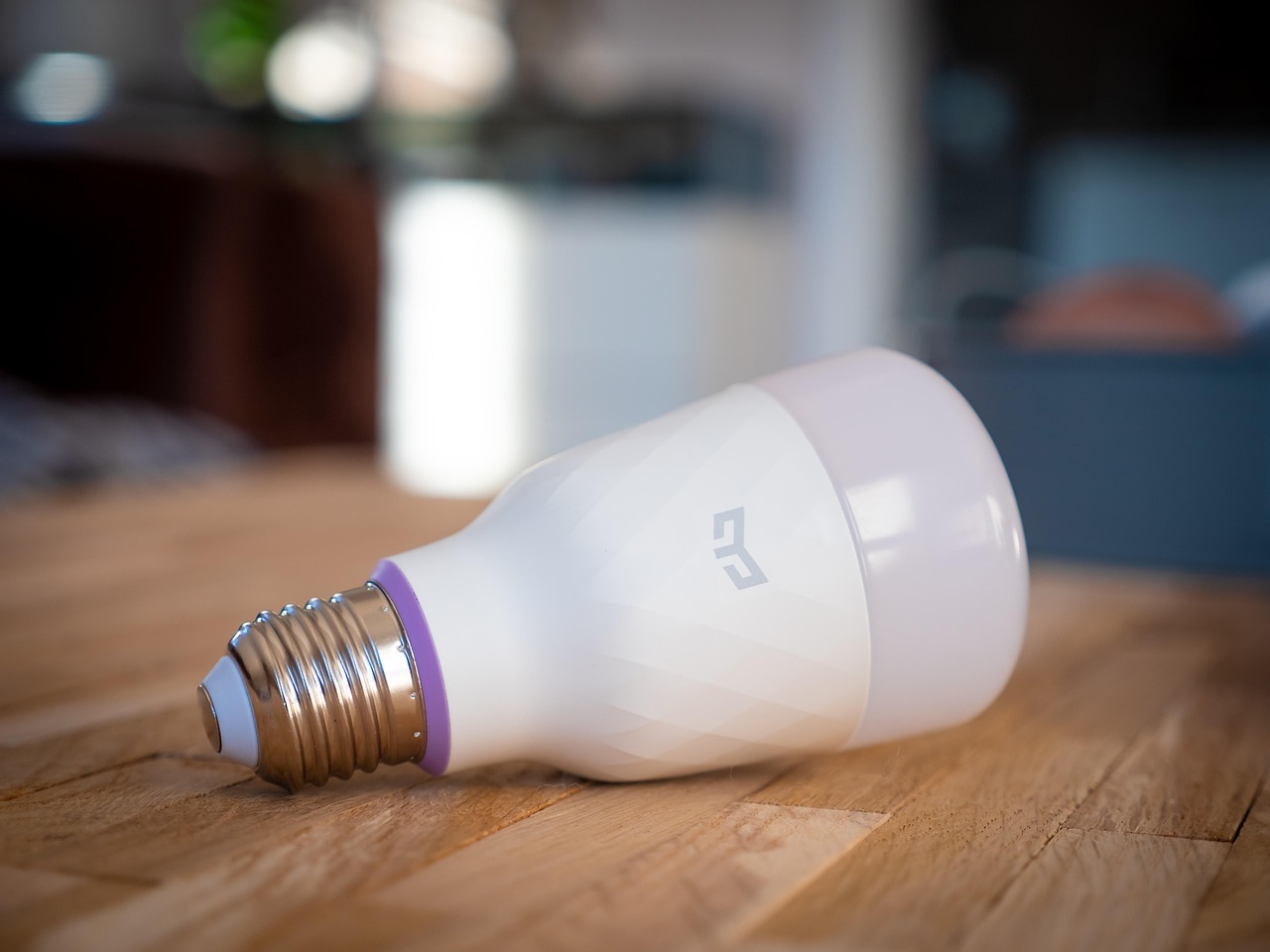
In 2026, smart homes aren’t impressive just because they’re connected they’re impressive because they’re cohesive. Seamless integration matters more than ever in villa settings, where kitchens, climate zones, and entertainment systems span multiple rooms and levels. The right hub should be able to talk fluently with appliances like luxury smart fridges, convection induction cooktops, and zoned HVAC without needing three different apps and a manual override.
Top tier hubs now support broader protocols and smoother automations across mixed brand environments. Whether you’ve got a Bosch fridge, Thermador range, or LG climate system, syncing them under one roof and one dashboard is absolutely possible. Look for hubs that include Matter support and strong cross manufacturer certifications. Skip the proprietary traps.
To keep things running without constant troubleshooting, map your appliance ecosystem and pair it with a hub that’s designed to manage asynchronous functions gracefully (e.g., your fridge cooling down while your oven’s heating up and your blinds are adjusting to mid afternoon glare).
And remember: setup is half the game. Check your wifi strength. Keep firmware updated. And when possible, set up routines that make sense for your life not just the tech.
For full setup strategies, see: adding smart appliances
Security and Data Control
The smarter a home gets, the more attractive it becomes to hackers, which is why 2026 smart hubs are doubling down on local security. On device processing is no longer a luxury it’s a baseline. That means your data stays inside your villa’s walls, not bouncing around in the cloud unless absolutely necessary. Voice commands, automation routines, even video feeds from your gate or garage processed locally for speed and safety.
Authentication has matured too. It’s not just passwords anymore. We’re talking multi layered protection: biometric access, rotating access codes for temporary users, and encrypted handshakes between devices. It’s serious tech designed to keep bad actors locked out without locking owners out of their own systems.
And let’s talk about updates. Automatic firmware pushouts used to be a gamble. Now, high end hubs have split update processes so security patches roll out without taking down your entire system during a dinner party or power outage. Uptime stays high, and your settings stay intact.
Privacy and reliability are no longer nice to haves. They’re woven into the core of any elite smart home setup.
Installation and Maintenance Basics
Smart hubs are only as good as the network carrying their signals. In large villas, coverage can get spotty fast. Think thick walls, multi story layouts, detached guesthouses. Before anything else, map out your square footage and antenna dead zones. You may need multiple access points, mesh systems, or signal repeaters to keep everything flowing smoothly.
DIY installation works if you’re tech comfortable and have time to troubleshoot. It saves money upfront, but you could end up with weak zones or compatibility issues. A professional setup gets you expert placement, optimized signal paths, and peace of mind that your hub won’t flake out when you’re halfway through automating mood lighting in the wine cellar. If the home’s high end, the tech inside should be reliable too.
Finally, don’t forget upkeep. Hubs need regular firmware updates not just for features, but for security and performance. Falling behind on updates can leave your system sluggish or vulnerable. Stay on schedule or set updates to run automatically during off hours. Smart homes should stay smart, not stale.
Final Thought: Make It Scalable
When it comes to smart home hubs for villas, scalability isn’t optional it’s the backbone of future proofing your setup. Your property might look a certain way today, but things evolve. Maybe you’ll expand the guesthouse, convert that side garage, or finally build out the rooftop space. Whatever changes come, you don’t want to start over with your smart system.
Choose a hub that’s designed to expand with your lifestyle, not just manage devices you own right now. That means support for emerging protocols like Matter, roomy device limits, and software that can adapt to new zones and automations without breaking a sweat. Flexibility now saves you hours (and headaches) later.
And if smart appliances are on your radar or already on your kitchen wishlist make sure your hub can handle full integration. These devices often have more complex needs than lights or thermostats. For a solid game plan, check out this guide before you make any big upgrades: adding smart appliances.
 Ron Wilson has played a vital role in the establishment of Villa Estates Luxe, bringing his expertise in property management and investment strategies to the project. His guidance has been invaluable in developing comprehensive buying guides that empower potential villa owners to make informed decisions in a competitive market. Ron's in-depth knowledge of market dynamics has informed the platform's analysis and reporting, allowing users to navigate complex real estate trends with confidence. His commitment to excellence and dedication to educating clients have not only enhanced the platform’s credibility but have also established Villa Estates Luxe as a go-to source for industry insights and investment strategies in the luxury villa sector.