
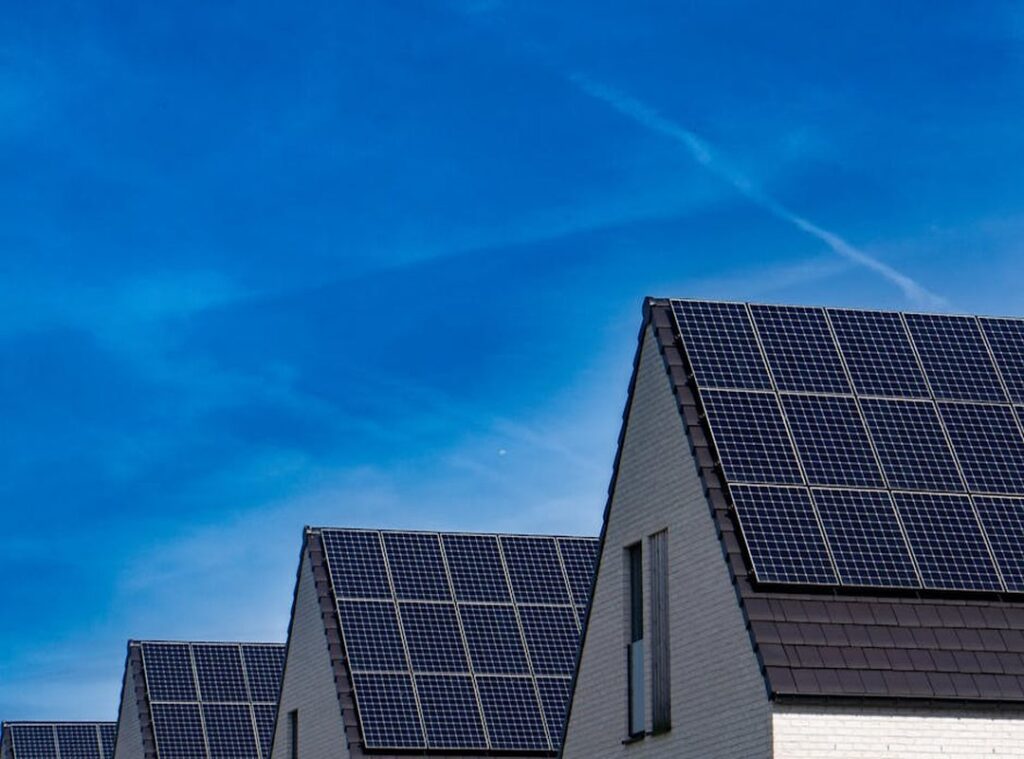
I built my own house. Not because I wanted bragging rights. Because I was tired of choosing between cost, comfort, and conscience.
You want a home that doesn’t wreck the planet. But you’re staring at insulation specs, solar quotes, and window U-values like they’re written in code. Sound familiar?
Sustainable home building isn’t about perfection. It’s about making smarter choices (starting) now. And no, you don’t need a six-figure budget or a degree in environmental science.
This article cuts through the noise. It answers the questions you’re already asking: Where do I even begin? What actually matters?
What’s just greenwashing?
Sustainable Home Building Appchousehold isn’t some vague ideal. It’s real. It’s doable.
It saves money on bills. It means breathing cleaner air inside your own walls.
I’ve made the mistakes so you don’t have to.
I’ll show you what moves the needle. And what wastes time and cash.
By the end, you’ll know exactly which steps matter most. No fluff. No jargon.
Just clear, practical next steps.
Why Go Green? Real Talk on Sustainable Homes
I built my own home with solar panels and triple-pane windows. It cut my electric bill by 62%. Not magic.
Just better choices.
You want lower bills. You want cleaner air. You want your house to hold value.
So why do most builders still slap on cheap insulation and call it a day?
Sustainable Home Building Appchousehold starts with what you feel: quieter rooms, no moldy basement smell, no shivering in January because the heat leaks out faster than you can pay for it.
Less energy used means less carbon burned. Less water wasted means less strain on local supplies. it junk hauled to landfills means less guilt when you toss something.
My neighbor’s “green” home sold 11% over asking. Mine did too. Coincidence?
No (it’s) demand catching up with sense.
You’re already thinking: Is this worth the upfront cost?
Yes. If you plan to live there more than five years. (And if you don’t, why build at all?)
learn more about how real people make it work without jargon or hype.
No fluff. Just facts that fit your life. Not every builder gets this right.
Most don’t even try.
Smart Design Beats Big Bills
I design homes that work with the weather. Not against it. Passive solar means big south-facing windows for winter heat (and overhangs to shade them in summer).
You’re not installing panels. You’re using the sun like a free furnace.
Natural ventilation? It’s just smart window placement. Put operable windows on opposite walls.
Let cross breezes do the cooling. No AC needed on most spring and fall days. (And yes, your ceiling fan counts as cheating.)
Insulation isn’t optional. It’s the difference between sweating in July and sleeping soundly. I specify dense-packed cellulose or mineral wool.
Not fiberglass batting that slumps and leaves gaps.
Compact footprints save money and energy. A 1,200-square-foot home uses less lumber, less concrete, less everything. Smaller also means easier to heat, cool, and light.
Orienting matters more than you think. North-south alignment gives steady light and predictable shading. East-west?
You’ll fight glare and overheating all year.
This is Sustainable Home Building Appchousehold. No buzzwords, no gimmicks.
Just physics, common sense, and houses that don’t punish your wallet or the planet.
| Design Move | What It Fixes |
|---|---|
| South-facing windows + overhangs | Winter heat loss / summer overheating |
| Cross-ventilation windows | Stale air and AC dependency |
| Continuous insulation layer | Drafts and temperature swings |
Sustainable Materials Are Not Always Greener

I used reclaimed barn wood in my last build. It looked great. But hauling it 200 miles burned more diesel than new local pine would’ve.
Salvaged brick? Cool story. Also often coated in lead paint or asbestos.
You don’t know what you’re breathing until the lab report comes back.
Bamboo is fast-growing. So is kudzu. That doesn’t mean either belongs on your walls.
Bamboo flooring warps in humidity. Cork yellows and dents. Straw bales rot if not sealed perfectly.
And most contractors don’t nail that.
Local sourcing sounds smart. Until you realize “local” means 50 miles away but the factory making your drywall is 12 miles away (and) ships by rail, not truck.
Low-VOC paint? Yes. But if your contractor rolls it on with a cheap brush and skips ventilation, you’ll still get headaches.
(Spoiler: most do.)
Durable materials cost more upfront. They also sit in landfills longer when they do fail. Because nobody recycles them.
Want real impact? Stop chasing labels. Start asking: *What breaks first?
What gets hauled away? Who’s actually installing this?*
Is a garage shed worth it appchousehold shows how even “practical” choices backfire without context.
Sustainable Home Building Appchousehold isn’t about virtue signaling. It’s about knowing where the waste really hides.
Cut Utility Bills Like a Pro
I bought an ENERGY STAR fridge last year. It uses half the power of my old one. You feel that difference on your bill every month.
Solar panels? Yes. But skip the $30,000 full-roof dream unless you’re all-in.
Start with a solar water heater. Cheaper, faster payoff, and it works even on cloudy days.
LED bulbs cost less than $2 now. I swapped every bulb in my house in under an hour. No dimmers needed.
No flickering. Just light.
Low-flow showerheads don’t ruin your morning. Mine gives solid pressure and cuts hot water use by 40%. Same goes for toilets.
Dual-flush saves gallons without thinking.
Rainwater harvesting sounds fancy. It’s just a barrel under a downspout. Use it for plants.
Skip the hose.
Smart thermostats work (if) you actually set them. I forgot mine for three weeks once. Don’t be me.
This is all part of Sustainable Home Building Appchousehold. Not theory. Not future talk.
Real stuff you install now and see results next month.
If you skip building checks, you’ll miss leaks like these. Are building checks important appchousehold? Yes
Your Home Can Change Everything
I built mine. You can too.
It’s not about perfection. It’s about starting—today. With one real choice.
You want lower bills. You want cleaner air inside your home. You want to stop feeling guilty every time the thermostat clicks on.
That’s why Sustainable Home Building Appchousehold exists. Not as a buzzword. Not as a luxury.
As a tool for people like you who are tired of waiting.
I ignored the noise. I picked one material. Then one builder.
Then one upgrade. You don’t need all the answers now. Just the first one.
Ask yourself: what’s one thing I’ve put off because it felt too big?
Go look up a local green builder. Call them. Ask one question.
Or open Sustainable Home Building Appchousehold and type in your ZIP code. See what’s actually possible near you (right) now.
No more “someday.”
Your comfort, your wallet, and your planet won’t wait.
Start planning your home (not) the one you think you should have (but) the one you actually want.
Do it this week.
 Michael Matherne has been instrumental in the development of Villa Estates Luxe, leveraging his extensive background in real estate and digital marketing to shape the platform's success. His strategic insights have been crucial in curating the latest news and market trends, ensuring that users receive timely and relevant information tailored to their needs. Michael has also been pivotal in enhancing the overall user experience, implementing innovative features that make navigating the site seamless. His commitment to providing high-quality content and fostering a community of informed buyers and investors has significantly contributed to Villa Estates Luxe’s reputation as a trusted resource in the luxury villa market.